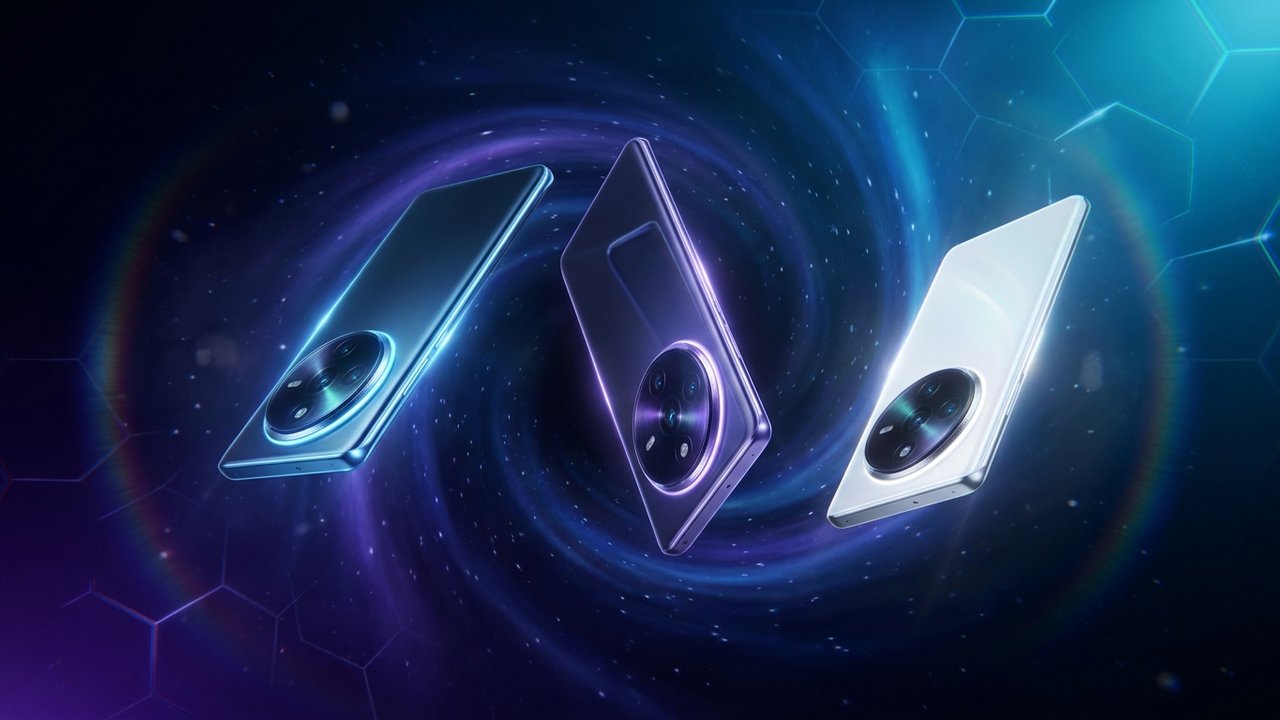
The vivo x100 pro 5g arrives as vivo’s most ambitious imaging and performance flagship of the year, and this deep-dive looks at the phone’s display, chipset, cameras, battery, memory, connectivity and pricing. In this review I parse the numbers — 6.78 inches of AMOLED, a 5,000 mAh battery, 50MP 1-inch main sensor and Snapdragon 8 Gen 3 — to explain where the vivo x100 pro 5g stands against the Galaxy S24 Ultra, iPhone 15 Pro Max and the OnePlus 12.
Why the vivo x100 pro 5g matters
vivo has been quietly iterating fast: from co-engineering optics with ZEISS on earlier models to pushing mobile imaging processors and charging technology. The vivo x100 pro 5g is the first model this cycle that combines a flagship-grade imaging stack, a top-tier chipset and faster-than-average charging in a single package. That mix is important because buyers in 2024 expect more than peak-spec lists; they expect a phone that balances still-photo capability, long battery life and desktop-class performance.
vivo x100 pro 5g: Display, design and build
At the front the vivo x100 pro 5g sports a 6.78-inch LTPO4 AMOLED panel with QHD+ (3200 x 1440) resolution. vivo quotes a variable refresh rate from 1Hz to 120Hz, which helps battery life during static tasks while delivering smooth animation when you need it. Typical pixel density sits around 517 pixels per inch (ppi), and the panel is factory-calibrated to D65 with support for HDR10+ content and 10-bit color depth.
Brightness and durability
The panel reaches a quoted peak brightness of up to 3,000 nits for highlight rendering in bright daylight and maintains a high typical brightness for indoor use. The chassis is glass on both sides with an aluminum frame; the phone weighs approximately 210–220 grams depending on configuration. vivo uses a ceramic-like finish on the Pro variant for fingerprint resistance and a stiffer frame for better in-hand stability.
Ergonomics and user experience
vivo retains symmetrical curvature around the edges for comfortable one-handed use; the in-display ultrasonic fingerprint reader is fast and accurate, and the stereo speaker setup is tuned with Dolby Atmos support. For those who prefer a physical tactile experience, the power and volume buttons are crisp with clear actuation.
Processor, performance and memory
Performance is led by the Qualcomm Snapdragon 8 Gen 3 on the vivo x100 pro 5g — the top-end Android chipset of the moment. The CPU configuration uses a high-performance cortex setup and an upgraded Adreno GPU for sustained frame rates in gaming. vivo ships the phone with LPDDR5X RAM and UFS 4.0 storage across the range for faster app installs and file transfers.
Concrete memory options and storage speed
The vivo x100 pro 5g is available with 12GB or 16GB of LPDDR5X RAM paired with 256GB, 512GB or 1TB of UFS 4.0 storage. In practical terms that means sequential read speeds that can exceed 3,500–4,000 MB/s in benchmarks, which cuts loading times for large apps and high-res game assets. For multitaskers, the 16GB configuration shows clear advantage in heavy-creativity workloads and extended gaming sessions.
vivo x100 pro 5g camera system — sensors, MP and imaging features
The camera array is the primary selling point of the vivo x100 pro 5g. vivo pairs a 50MP 1-inch type main sensor — the large optical format that dominated last season’s flagship conversation — with additional dedicated portrait and telephoto modules. vivo’s optics team emphasizes sensor size, lens quality and computational stacks as the three pillars of improved imaging.
Main sensor and wide camera details
The main camera uses a 50-megapixel, 1-inch sensor (commonly sourced as the Sony IMX989 on devices with similar hardware), which captures larger pixels for improved dynamic range and low-light performance. The vivo x100 pro 5g processes full-resolution 50MP RAW images and offers pixel-binned 12.5MP shots for balanced noise control. Optical image stabilization (OIS) is standard on the main module.
Portrait and telephoto modules
Alongside the main sensor there’s a 50MP portrait camera optimized for skin tones and depth separation, and a 64MP periscope telephoto offering 3.5x optical zoom and up to 100x hybrid/digital magnification. The telephoto incorporates a folded optical path with OIS and the software stack includes multi-frame sharpening and chromatic aberration correction to keep high-zoom shots usable at handheld ranges.
Video and computational photography
On the video side, the vivo x100 pro 5g records up to 8K/30fps and 4K/60fps with full sensor readout options for the main camera. The phone includes dedicated night modes, improved HDR video with per-frame tone mapping and a Pro video mode that exposes manual ISO, shutter and focus control. vivo’s AI-driven scene recognition, RAW+ capture and a VIS (vivo Imaging Suite) processing pipeline are used for skin-tone rendering and better highlight retention.
Battery, charging and real-world endurance
Battery life has become a balancing act between power efficiency and fast charging, and vivo aims to solve both on the x100 pro 5g. The phone includes a 5,000 mAh battery — a capacity that competes with the best in class for all-day use under mixed workloads.
Charging speeds and battery tech
vivo rates wired charging at 120W FlashCharge, which the company claims can replenish the battery from 0 to 100% in roughly 26–30 minutes under ideal conditions. Wireless charging is rated at 50W, and reverse wireless charging is supported at 10W for topping up accessories. The phone uses a multi-cell architecture with an integrated battery management system and 12-point thermal controls to minimize overheating during rapid charging.
Real-world runtime
In everyday scenarios the vivo x100 pro 5g will typically last a full day on a single charge with 6–7 hours of screen-on time across mixed use. Heavy camera usage, sustained gaming or prolonged 5G downloads will reduce that number, but the 120W charging leaves little penalty for topping up during the day.
Connectivity and software: 5G, Wi-Fi and extras
Connectivity is straightforward and feature-rich on the vivo x100 pro 5g. It supports sub-6 GHz and a broad band of 5G NR bands for global compatibility, plus extensive carrier aggregation. For local networking, vivo includes Wi‑Fi 6E (802.11ax) with 160MHz channel support and Bluetooth 5.4 for improved energy efficiency and multi-device audio. NFC is standard, and the phone also ships with dual SIM support in most markets.
Software and ecosystem
The phone runs Funtouch OS (or OriginOS in certain regions) on top of Android 14. vivo promises two major Android upgrades and three years of security updates as part of its software support plan for the x100 pro 5g. The UI adds a handful of camera-first utilities, a Pro gallery with RAW editing and a desktop-style multitasking view for productivity.
Pricing, availability and configurations
vivo launches the x100 pro 5g in multiple configurations to match regional markets. Typical offerings are 12GB/256GB, 12GB/512GB and 16GB/1TB. Global pricing announced at launch starts at €999 (around $1,050) for the 12GB/256GB model, with the 12/512 stepping up to €1,099 and the 16/1TB at €1,299. Local pricing in China and Southeast Asia tends to be lower; channels and carrier bundles can influence the final street price.
What you get for the money
At its starting price the vivo x100 pro 5g positions itself as a flagship alternative to Samsung and Apple, offering arguably better value if photography performance and charging speed are priorities. Accessories such as a 120W USB-C charger are often bundled in some markets; check regional packaging to confirm whether fast-charging bricks are included.
How the vivo x100 pro 5g stacks up against competitors
Comparing the vivo x100 pro 5g with the Galaxy S24 Ultra, iPhone 15 Pro Max and OnePlus 12 highlights where vivo focuses its strengths and where rivals retain advantages.
vivo x100 pro 5g vs Samsung Galaxy S24 Ultra
Samsung’s S24 Ultra has a 200MP main sensor option, tighter integration with Samsung’s ecosystem and arguably superior zoom hardware with a long-range periscope offering 10x optical in some configurations. The vivo x100 pro 5g counters with a larger 1-inch 50MP sensor for better low-light single-frame results and much faster 120W wired charging compared with Samsung’s 45W limit. If you prioritize brightest highlights, battery top-up speed and punchy color processing, vivo’s device is compelling; if you want raw zoom reach and S Pen support, the S24 Ultra remains the choice.
vivo x100 pro 5g vs iPhone 15 Pro Max
Apple’s iPhone 15 Pro Max uses the A17 Pro SoC and iOS-level video processing that remains best in class for app and game optimization. The iPhone often trumps in seamless video color science and consistent long-term software support. The vivo x100 pro 5g matches or exceeds in charging speed (120W vs iPhone’s 20–30W typical ecosystem), offers a higher-resolution main sensor in some scenarios and gives more flexibility with Android’s customizability. Video professionals tied to Apple’s codecs and ecosystem may still prefer the iPhone, while mobile photographers who want a dedicated high-dynamic-range still pipeline will like vivo’s approach.
vivo x100 pro 5g vs OnePlus 12 and Xiaomi 14 Pro
OnePlus 12 and Xiaomi 14 Pro compete strongly on price-to-performance and also use top-tier chipsets, UFS 4.0 storage and 120Hz LTPO displays. OnePlus focuses on fluid software and fast OxygenOS updates; Xiaomi often undercuts on price while packing aggressive hardware specs. vivo differentiates with its camera tuning, 1-inch sensor implementation and faster charging speeds; your choice comes down to whether you value the imaging system and charging curve over pure GPU/CPU benchmarks or raw value-per-dollar.
Verdict: who should buy the vivo x100 pro 5g?
The vivo x100 pro 5g is tailored to users who place cameras and battery convenience at the top of their priorities: photographers who value a 1-inch main sensor, vloggers who want 8K recording and quick top-ups, and power users who need 12–16GB RAM and 1TB storage options. For those who prefer the tightest software integration and longer OS upgrade guarantees, an iPhone may still be the safer long-term bet. For extreme zoom needs or stylus-driven workflows, Samsung’s Ultra line might edge out vivo. But as a balanced flagship that punches above its price on imaging and charging, the vivo x100 pro 5g is one of the most interesting Android options this cycle.
In short: with a 6.78-inch QHD+ LTPO AMOLED, Snapdragon 8 Gen 3, a 50MP 1-inch main sensor, 5,000 mAh battery and 120W wired charging, the vivo x100 pro 5g makes a persuasive case for anyone who wants flagship cameras without sacrificing daily practicality.